
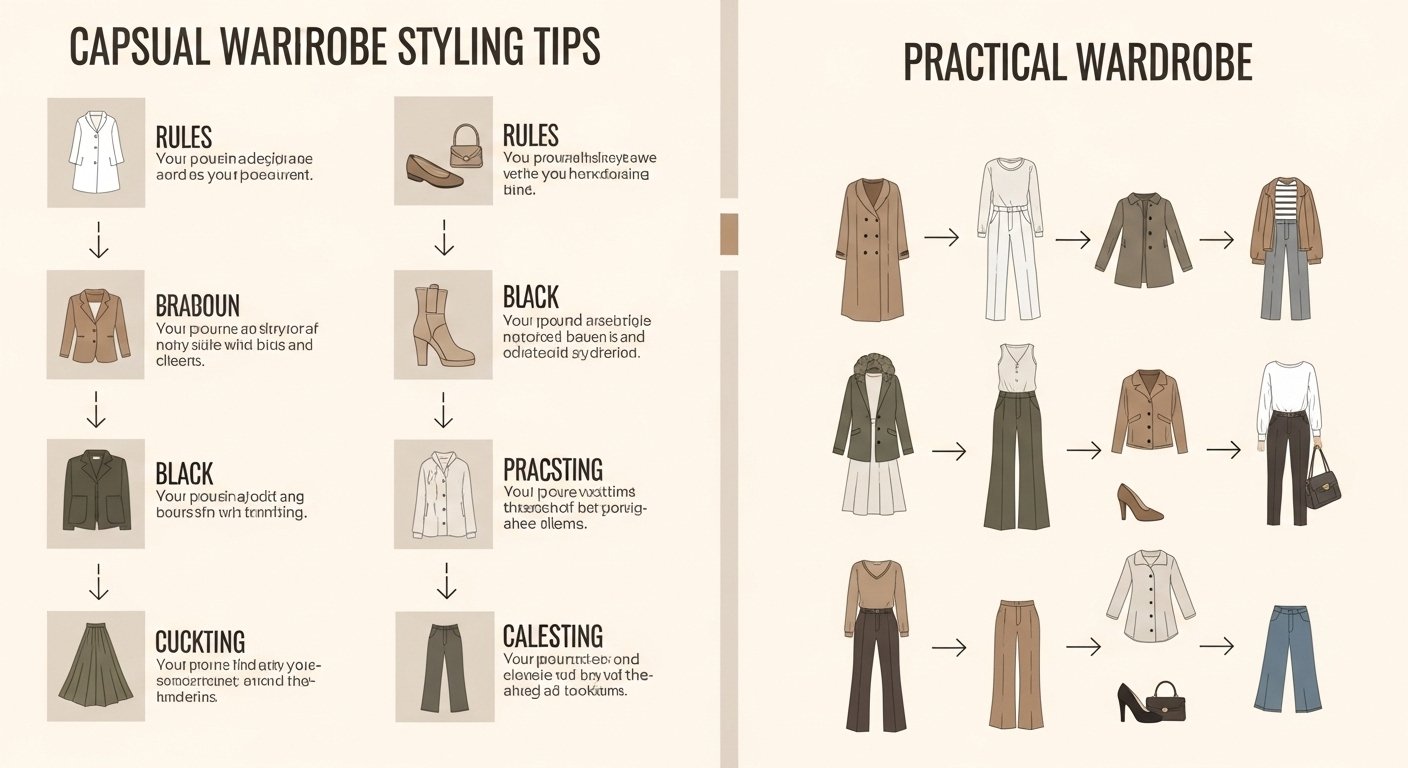
Does your overstuffed closet leave you standing there each morning, staring at piles of clothes yet feeling like you have nothing to wear? You are not alone. Fast fashion has flooded our lives with cheap trends and endless options, creating decision fatigue, clutter, and guilt over waste. Minimalist fashion: less clothes, more style offers a refreshing path forward. It shifts the focus from quantity to quality, helping you build a curated collection that feels effortless and empowering.
This approach draws from the capsule wardrobe idea, first introduced in the 1970s by Susie Faux at her London boutique Wardrobe. Designer Donna Karan later amplified it in 1985 with her iconic Seven Easy Pieces collection. Today, it aligns perfectly with the slow fashion movement, where conscious consumers reject overconsumption for sustainable fashion and ethical manufacturing. In this guide, you will discover 10 practical rules to transition from chaos to clarity. Whether you are a busy professional, frequent traveler, or shopping on a budget, these steps will simplify your routine while boosting your confidence and personal freedom.
Why Minimalist Fashion Delivers Less Clothes, More Style
Minimalist fashion is not about deprivation. It is about wardrobe curation that frees up your time, money, and mind. Imagine opening your closet to 30 to 50 versatile pieces that all mix and match seamlessly. No more morning stress. No more buyer’s remorse. Just polished outfits ready in seconds.
The benefits run deep. Studies show that simplifying your wardrobe reduces decision fatigue and enhances well-being through voluntary simplicity. You save money through better cost per wear calculations. Environmentally, you cut your carbon footprint since the fashion industry accounts for roughly 10 percent of global emissions. Psychologically, you gain clarity and creativity as your style reflects who you are, not what trends dictate.
At its core, this is sartorial intentionality in action. You choose pieces with purpose, prioritizing textile quality, functional aesthetics, and clothing longevity. The result? A lifestyle of freedom where your clothes support you instead of overwhelming you.
The 10 Rules for Minimalist Fashion: Less Clothes, More Style
Follow these rules to build a wardrobe that works harder so you do not have to. Each one includes real-world examples and simple starting steps.
Rule 1: Audit and Declutter Your Wardrobe Ruthlessly
Begin with honesty. Empty your closet and sort every item into three piles: keep, donate or sell, and maybe. Ask yourself: Have I worn this in the past year? Does it fit my current life and body? Does it spark joy or just guilt?
This audit reveals hidden patterns, like duplicate black tops or impulse buys from sales. Aim to remove at least 50 percent of your items. Many people discover they wear only 20 percent of their clothes 80 percent of the time. Donate responsibly or sell on platforms to fund better pieces. The relief you feel afterward is immediate. Your space feels lighter, and so does your mind.
Rule 2: Define Your Personal Style and Needs
Sartorial intentionality starts here. Take time to identify your lifestyle, body shape, and color preferences. Are you a professional who needs polished office looks? A traveler who values packable layers? Write down your daily activities and the outfits that make you feel most confident.
Create a personal style mood board with photos of outfits you love. This prevents buying items that look cute but never get worn. For example, if you commute by bike, prioritize breathable, stretchy fabrics over stiff suits. Knowing your needs turns shopping from reactive to proactive.
Rule 3: Curate a Neutral Color Palette
Stick mostly to neutrals: black, white, beige, gray, navy, and olive. These shades mix effortlessly and transcend seasons. Add one or two accent colors that flatter you, such as a soft camel or deep burgundy.
A neutral color palette creates instant harmony. A white button-down pairs with jeans for casual days or tailored trousers for meetings. You avoid the chaos of clashing prints or seasonal trends. Start small: choose 70 percent neutrals in your capsule. The result is a cohesive, elevated look without effort.
Rule 4: Invest in High-Quality Textiles for Longevity
Cheap fabrics pill, fade, and fall apart quickly. Instead, seek natural fibers like organic cotton, merino wool, linen, and Tencel. These materials breathe, last longer, and feel better against your skin.
Calculate cost per wear to see the value. A $150 cashmere sweater worn 100 times costs $1.50 per wear. A $20 fast-fashion top worn 10 times costs $2 per wear. Prioritize textile quality from brands transparent about their supply chains. Your investment pays off in fewer replacements and less waste.
Rule 5: Choose Versatile, Mix-and-Match Pieces
Every item must work with at least three others in your closet. Think a tailored blazer that dresses up a tee or pairs with wide-leg pants. Or a simple black dress that layers under a coat in winter and stands alone in summer.
Functional aesthetics means form follows function. Look for pieces with clean lines, quality hardware, and thoughtful details like adjustable straps or hidden pockets. Test versatility in the store by imagining three outfits. This rule turns 30 items into hundreds of combinations.
Rule 6: Prioritize Ethical Manufacturing and Sustainable Fashion
Support brands that value people and planet. Look for certifications like GOTS for organic textiles or Fair Trade for worker conditions. Use resources like Good On You to rate brands on ethics, labor, and environment.
Sustainable fashion and ethical manufacturing are no longer luxuries. They align your wardrobe with your values. Secondhand options from thrift stores or resale apps extend this further while saving money. You vote with every purchase for a better industry.
Rule 7: Focus on Timeless Designs Over Trends
Avoid anything labeled “of the season.” Choose classic silhouettes: the white button-down, straight-leg jeans, trench coat, or crewneck sweater. These pieces never go out of style.
Timeless design supports clothing longevity. You wear them year after year without embarrassment. For professionals, a well-cut blazer in neutral wool becomes your signature. Trends come and go, but your capsule remains relevant.
Rule 8: Master Outfit Formulas for Everyday Ease
Create go-to formulas to eliminate daily decisions. Example: base layer (tee or button-down) plus bottom (jeans or trousers) plus outer layer (blazer or cardigan). Rotate accessories like scarves or jewelry for variety.
Professionals love this for quick, polished looks. Travelers pack three outfits that cover two weeks through layering. Write your top five formulas on a note in your closet. You will dress faster and feel more put-together.
Rule 9: Maintain Pieces Properly to Extend Life
Clothing longevity depends on care. Learn to hand-wash delicates, air-dry when possible, and mend small holes immediately. Store items correctly: fold knits, hang structured pieces.
For natural fibers, follow simple routines like spot-cleaning or using wool detergent. See our guide How to Care for Natural Fibers for detailed tips. Proper maintenance turns good clothes into wardrobe heroes that last a decade or more.
Rule 10: Embrace Mindful Consumption and Regular Reviews
Adopt the 48-hour rule: wait two days before buying anything new. This curbs impulse and ensures the item fits your capsule. Use a one-in, one-out policy to keep numbers steady.
Review your wardrobe every season. Swap out pieces that no longer serve you. This ongoing curation keeps your style fresh while honoring slow fashion movement principles. You buy less because you love what you own more.
How to Build Your First Capsule Wardrobe in 5 Steps
- Audit as in Rule 1.
- List 10 to 15 core pieces based on your needs.
- Shop your closet first, then fill gaps with versatile staples.
- Test outfits for a full week.
- Adjust and refine.
Start with 30 items total. Expand slowly as you gain confidence.
Common Mistakes to Avoid in Minimalist Fashion
Skipping the audit leads to buying duplicates. Ignoring fit causes discomfort and unused pieces. Chasing trends undermines longevity. Going all black can feel monotonous. Balance neutrals with subtle texture and shape instead. Remember, minimalist fashion is personal, not rigid.
Minimalist Fashion: Less Clothes, More Style for Professionals, Travel, and Budget
Professionals benefit from effortless authority. A capsule of neutral trousers, blazers, and button-downs projects competence without daily effort. For travel, pack light with layers that wrinkle less and mix well. One carry-on can cover two weeks easily.
On a budget? Thrift first, then invest in key quality items. Secondhand designer pieces often cost less than new fast fashion yet last longer. Focus on sales from ethical brands or build gradually. The savings add up quickly through fewer purchases and higher cost per wear.
Start Your Minimalist Journey Today
Minimalist fashion: less clothes, more style is more than a trend. It is a mindset that returns time, money, and peace to your life. You gain confidence from a wardrobe that truly represents you while supporting sustainable fashion, ethical manufacturing, and personal well-being.
Start small. Audit just your tops this weekend. Feel the weight lift as you donate what no longer serves you and welcome pieces you genuinely love. Your future self, with a lighter closet and sharper style, will thank you. Less really is more. Embrace it and watch your style, and freedom, flourish.