
In the dim glow of a studio lamp at 2 a.m., a sculptor pauses mid-stroke, wrist aching, mind fogged. The piece demands presence, yet the body protests. This scene repeats across ateliers, writer’s desks, and activist collectives worldwide. For those who shape culture, health is not a sidebar. It is the quiet infrastructure that lets ideas breathe and actions endure. How to create positive lifestyle changes, then, becomes less about checklists and more about reclaiming the physical and mental terrain where creativity and purpose intersect.
The question feels urgent now. Chronic fatigue, anxiety, and preventable illness have become background noise in creative and intellectual circles. At the same time, longevity science is revealing that many markers of aging respond to daily choices. Biological age, tracked through epigenetic clocks, can shift measurably within weeks of consistent movement or better sleep. Yet the conversation rarely lingers on the deeper stakes: when individuals in cultural work burn out, entire ways of seeing and resisting erode with them. Sustainable wellness is not self-indulgence. It is a form of quiet stewardship for the imagination itself.
Rewiring Habits: The Psychology and Practice of Lasting Change
Habit formation sits at the center of any meaningful shift. Decades of behavioral research show that tiny, repeated actions rewire neural pathways more reliably than grand resolutions. The cue-craving-response-reward loop, once understood, turns abstract intention into automatic behavior. A writer who places running shoes beside the laptop may not feel motivated at first. After weeks, the sight alone triggers the run. The reward is not abstract vitality but the sharper focus that arrives afterward.
What distinguishes sustainable change is compassion for context. Creatives often work irregular hours; activists juggle multiple roles. Rigid programs imported from corporate wellness fail here. Instead, anchor new habits to existing rhythms. Link a midday walk to the moment you close your notebook. Pair evening tea with a five-minute breathing practice. These micro-rituals respect the irregular beauty of cultural labor while gently steering physiology toward resilience.
Movement as Ritual: Integrating Physical Activity into Creative Lives
Physical activity is not punishment for sitting too long. It is a return to the body’s native language. Research consistently links regular movement to lower inflammation, improved mood, and even transient reductions in epigenetic age. One study of elite athletes found that a single intense session could shift biological markers within ninety minutes, underscoring how responsive human biology remains.
For thinkers and makers, movement gains power when reframed as ritual rather than exercise. A choreographer in Buenos Aires might weave tango steps into daily warm-ups, blending training with cultural expression. A poet in Kyoto could adopt the slow, deliberate pace of a forest walk, echoing centuries-old practices of shinrin-yoku. In many Indigenous communities, dance and communal labor have long served as both physical maintenance and social glue. These traditions remind us that movement need not be solitary or clinical. It can be relational, rhythmic, and joyfully embedded in identity.
Nourishment from the Earth: Embracing Nutrient-Dense Foods with Global Wisdom
Nutrient-dense foods form the raw material of cellular repair. Diets rich in leafy greens, berries, fermented items, nuts, seeds, and fatty fish supply polyphenols, omega-3s, and micronutrients that support everything from neurotransmitter balance to DNA protection. The evidence for chronic disease prevention is robust: populations following traditional patterns, from Mediterranean olive groves to Okinawan sweet-potato fields, show lower rates of diabetes, cardiovascular issues, and cognitive decline.
Cultural intelligence demands we look beyond any single playbook. In South Asia, turmeric and ginger have seasoned meals for generations, now validated for anti-inflammatory compounds. West African stews built around greens and legumes offer plant-forward density without the label of “diet food.” The point is not exoticism but reclamation. When creatives source ingredients from local markets or community gardens, they reconnect palate and place. Cooking becomes another studio practice, one that honors both flavor and function.
Honoring Your Inner Clock: Circadian Rhythm for Mental Clarity and Well-Being
Modern life fractures circadian rhythm with blue light, erratic schedules, and 24-hour availability. Yet alignment with natural light-dark cycles underpins hormone regulation, immune function, and mental well-being. Consistent sleep and morning light exposure improve mood regulation and cognitive sharpness, while misalignment correlates with higher risks of metabolic and mood disorders.
Artists have always intuited this. Many report their clearest ideas arriving after unbroken sleep or during the golden hour. Practical steps are disarmingly simple: dim lights after sunset, seek daylight within an hour of waking, keep meal times stable. These adjustments do not require monastic discipline. They restore the internal conductor so that energy, focus, and recovery play in harmony rather than discord.
Daily Anchors: Hydration, Stress Management, and Emotional Resilience
Hydration sounds elementary until one tracks its absence. Even mild dehydration impairs concentration and elevates perceived stress. Pairing steady water intake with electrolytes from whole foods supports cellular communication without fanfare.
Stress management, meanwhile, has evolved beyond generic advice. Techniques rooted in diverse traditions, breathwork from yogic lineages, communal storytelling circles in Latin America, or contemplative garden tending in East Asia, offer culturally resonant tools. For many, the studio itself becomes a laboratory of calm. Sketching, journaling, or free movement transmutes anxiety into material. The key is consistency without rigidity. A ten-minute pause that returns the nervous system to baseline compounds into profound mental well-being over months.
Beyond Chronology: Longevity Science, Biological Age, and Chronic Disease Prevention
Longevity science has moved from speculation to measurable intervention. Epigenetic reprogramming research, including early human trials exploring cellular age reversal, suggests that aging is not fixed. Yet the most accessible levers remain lifestyle. Regular physical activity, nutrient-dense eating, quality sleep, and social connection collectively influence inflammatory pathways, telomere maintenance, and metabolic health.
Blue Zones, regions where people routinely reach one hundred in good health, share common threads: purposeful daily activity, plant-forward meals, strong community bonds, and unhurried routines. These patterns prevent chronic disease not through heroic effort but through coherent living. For global audiences, the lesson is inclusive. Whether in the highlands of Pakistan, the markets of Marrakech, or the co-working spaces of Berlin, individuals can adapt elements without erasing local wisdom. The goal is not to live forever but to compress morbidity, to stay vital long enough to finish the book, mount the exhibition, or sustain the movement.
Sustainable wellness, therefore, resists the commodified version sold in pastel packaging. It favors depth over novelty. It asks what practices can be maintained across seasons of creative intensity and cultural upheaval.
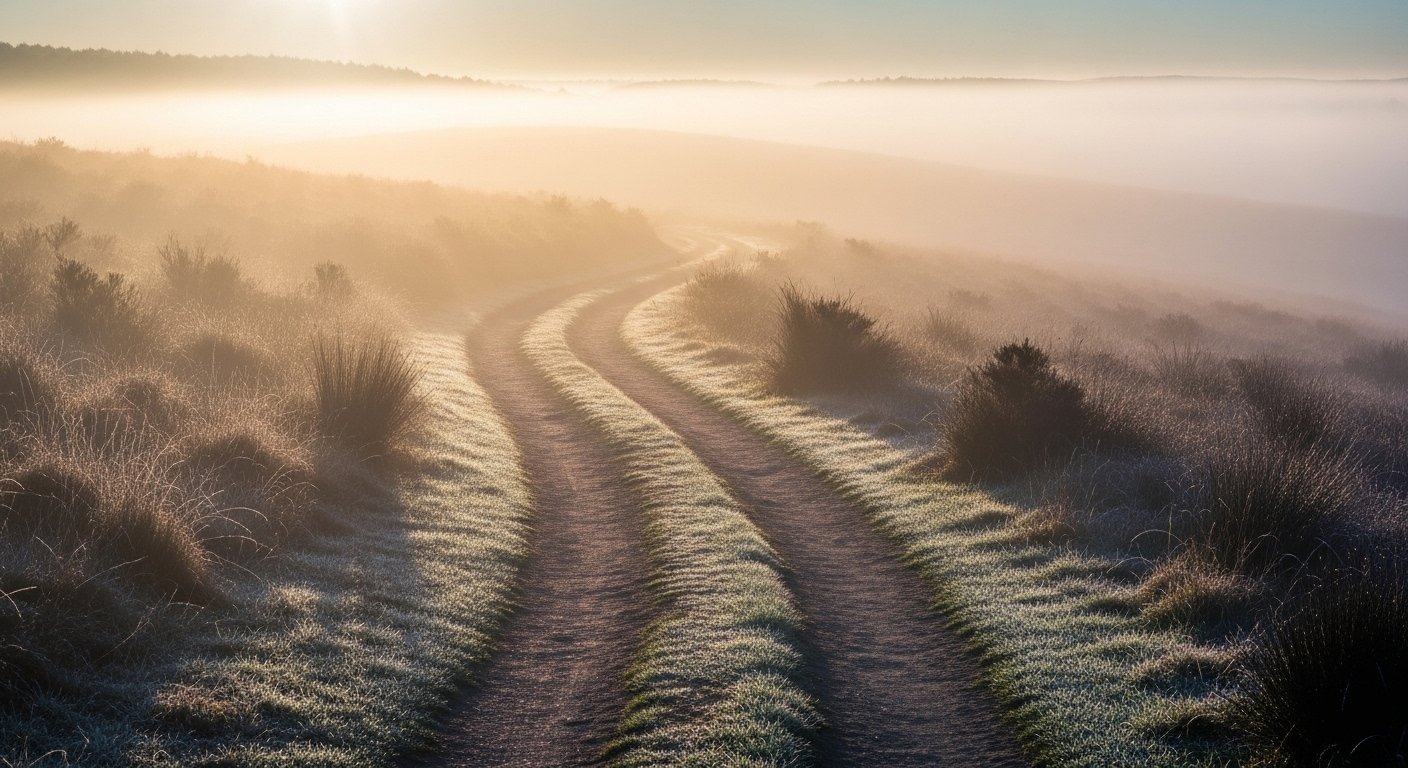
The road to positive lifestyle changes is not linear. Some days the habit sticks; others require gentle recalibration. What endures is the recognition that caring for the body and mind is itself a creative act, a private artivism performed daily. In tending our own vitality, we safeguard the capacity to witness, to question, and to build worlds worth inhabiting. The changes may begin small, a morning walk, a plate of greens, an earlier bedtime, yet their ripples extend beyond the self. They model for peers, collaborators, and future generations that depth and endurance can coexist with the restless energy of cultural life. In that quiet continuity lies the truest form of longevity: not merely more years, but years that continue to matter.
You May Also Like: The Essential Guide to Self-Improvement Tips That Actually Work