
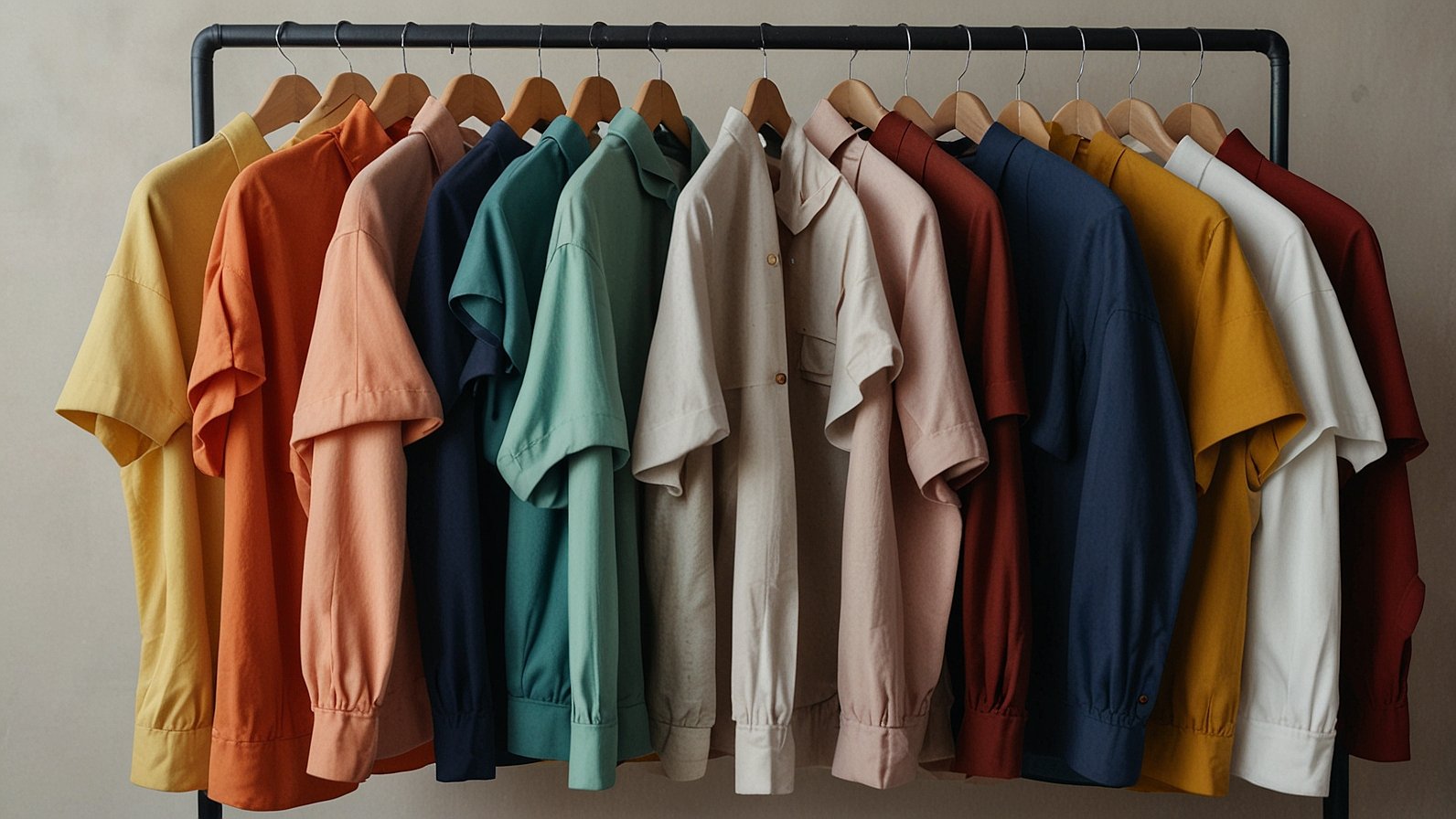
Have you ever slipped into an outfit only to feel it falls flat, or worse, clashes in a way that drains your energy? Maybe you default to safe neutrals for work meetings or hesitate to mix bold pieces in your capsule wardrobe. You are not alone. Countless fashion enthusiasts and professionals face this daily, unsure how to create outfits that flatter their skin tone while projecting confidence and polish.
The ultimate guide to color coordination in fashion solves exactly that. It demystifies fashion color theory with practical, easy-to-apply strategies. You will discover how the color wheel for clothing unlocks harmonious looks, why skin undertones matter, and how to use monochromatic outfits, complementary colors, and analogous color schemes like a pro. Whether you want to elevate office attire or build a versatile capsule wardrobe, this guide equips you with the tools to feel stylish and put-together every single day.
By the end, you will move beyond guesswork. You will confidently pair pieces, experiment with accent colors, and create a wardrobe that works harder for you. Let us dive in and transform the way you dress.
Understanding Fashion Color Theory: The Foundation
Fashion color theory is not just for artists or designers. It is your secret weapon for effortless style. At its core, it explains how colors interact to create balance, contrast, or harmony. Mastering it helps you select outfits that enhance your features and suit any setting, from boardrooms to weekend brunches.
The color wheel for clothing serves as your visual roadmap. It arranges hues in a circle, showing relationships between them. Primary colors (red, yellow, blue) form the base. Secondary colors (orange, green, purple) result from mixing primaries. Tertiary colors add nuance, like red-orange or blue-green.
Knowing these relationships prevents random pairings and guides intentional choices. For beginners, start simple: print a basic color wheel or use a free app. Refer to it when shopping or styling. This small step turns overwhelming decisions into confident ones.
Discovering Your Personal Palette: Skin Undertones and Seasonal Color Analysis
No two complexions are identical, which is why color coordination starts with you. Skin undertones determine which shades make you glow and which leave you looking tired. They fall into three categories: warm, cool, or neutral.
To identify yours at home, try the vein test. Look at the inside of your wrist in natural light. Greenish veins suggest warm undertones (golden or peachy skin). Bluish or purplish veins point to cool undertones (pink or rosy skin). A mix of both indicates neutral. Another quick check: hold gold and silver jewelry against your face. Gold flatters warm tones; silver suits cool ones.
Seasonal color analysis takes this further by grouping people into four seasons based on undertone, value (light or dark), and intensity (bright or muted).
- Spring: Warm and bright. Think clear corals, peach, and fresh greens. You shine in golden yellows and tomato red accents for 2026 energy.
- Summer: Cool and soft. Pastel blues, lavenders, and sage green flatter you best.
- Autumn: Warm and rich. Earthy terracotta, mustard, and deep olives bring out your natural warmth.
- Winter: Cool and bright. Icy pinks, true reds, and cobalt blue create high-contrast drama.
Once you know your season, shopping becomes targeted. You avoid costly mistakes and build a wardrobe that always complements you. If unsure, consult a stylist or use online quizzes as a starting point.
Key Color Schemes: Creating Harmony in Every Outfit
With your palette identified, explore proven schemes using the color wheel for clothing. These strategies make mixing effortless and stylish.
Monochromatic Outfits: Sophisticated Simplicity
Monochromatic outfits use variations of a single color for a sleek, elongating effect. They are perfect for professionals who want polish without effort. Pair a charcoal gray blazer with lighter gray trousers and a soft gray tee. Add texture through fabrics like wool, silk, or denim to keep it interesting.
This scheme works wonders for capsule wardrobes. It maximizes versatility: one hue in multiple pieces creates endless combinations. In 2026, try a head-to-toe sage green look for an on-trend, calming office vibe.
Analogous Color Schemes: Effortless Harmony
Analogous schemes feature colors next to each other on the wheel, such as blue, blue-green, and green. They feel natural and soothing. For everyday wear, combine navy pants with a teal blouse and emerald accessories. The result is cohesive yet layered.
Professionals love this for meetings: it signals creativity without overwhelming. In a capsule wardrobe, analogous colors let you mix and match three to four pieces seamlessly. Experiment with butter yellow, lime green, and soft orange for spring-inspired energy that feels fresh and approachable.
Complementary Colors: Bold Contrast That Pops
Complementary colors sit opposite each other on the wheel, like blue and orange or purple and yellow. They create vibrant energy and visual interest. Use them sparingly for impact: a cobalt blue jacket over a mustard skirt turns heads while remaining balanced.
For office attire, temper the contrast with neutrals. A tomato red scarf against a deep navy suit adds personality without risking unprofessionalism. In capsule wardrobes, one complementary pair (such as teal and coral) expands your options dramatically while keeping coordination simple.
Neutral Color Palettes: Your Reliable Wardrobe Staples
Neutrals form the backbone of any strong wardrobe. Black, white, gray, beige, navy, and taupe never go out of style. They pair with almost anything and flatter every skin tone when chosen thoughtfully.
Focus on neutral color palettes that align with your undertones. Warm neutrals include camel and cream; cool ones favor bright white and charcoal. Build around two or three favorites. A crisp white shirt, tailored gray trousers, and navy blazer become your everyday uniform.
These staples shine in capsule wardrobes. They create a foundation where bolder accent colors can rotate in and out. Professionals especially benefit: neutrals convey reliability and let personality shine through subtle details.
Incorporating Accent Colors: Adding Personality and 2026 Trends
Once your base is set, accent colors bring outfits to life. They are the pops that express mood or season without commitment. In 2026, standout choices include tomato red for confidence, sage green for calm sophistication, lime green for fresh optimism, and eggplant for rich depth.
Place accents strategically. A tomato red handbag with a neutral gray suit energizes professional wear. Or layer a lime green cardigan over a monochromatic beige outfit for weekend versatility.
For capsule wardrobes, limit accents to two or three that coordinate with your neutrals. This keeps packing light and mixing easy. Always test accents against your skin tone: they should enhance, never wash you out.
Applying Color Coordination to Professional Wear
Office attire demands balance: polished yet approachable. Use fashion color theory to project authority while staying true to your personality.
Start with neutrals for the foundation (navy or gray suits). Add complementary or analogous accents for interest. A cool-toned professional in winter season might choose a cobalt blue tie with a charcoal suit. A warm autumn type could opt for a mustard blouse under an olive blazer.
Avoid overly bright combinations in conservative environments. Instead, use accent colors in smaller doses: shoes, scarves, or jewelry. This approach works beautifully for client meetings or presentations, where confidence matters most.
Building a Versatile Capsule Wardrobe with Color Coordination
A capsule wardrobe thrives on color coordination. Aim for 10 to 15 pieces in a tightly edited palette. Choose two neutrals and two to three accent colors that all play well together.
A 5-Step Guide to Your Color-Coordinated Capsule
- Audit your closet: Keep only pieces that fit your undertones and seasonal analysis.
- Select core neutrals: Invest in high-quality basics like trousers, blazers, and tees.
- Add versatile accents: Include tomato red or sage green items that mix with everything.
- Check compatibility: Lay pieces side by side to ensure they coordinate effortlessly.
- Shop intentionally: Use the color wheel for clothing as your guide for future purchases.
This method reduces decision fatigue and maximizes cost-per-wear. You will open your closet each morning knowing every combination looks intentional and flattering.
Common Mistakes to Avoid and Pro Tips for Success
Many people overlook skin undertones and end up with colors that mute their glow. Others overload outfits with too many competing hues. Stick to one or two schemes per look for best results.
Pro tip: Photograph your outfits in natural light. Review what flatters you most. Another favorite: the 24-hour rule. Hang potential new purchases and revisit them the next day before buying.
For capsule wardrobes, rotate accent colors seasonally to keep things fresh without constant shopping. And remember, rules are flexible: personal style always wins.
Practical Styling Ideas to Inspire You
Try these real-world scenarios. For a job interview, pair a warm neutral beige blazer with an analogous soft peach top and matching trousers. Feeling bold on Friday? Layer a complementary lime green sweater over a navy base.
Weekend capsule look: Sage green joggers with a white tee and camel coat. The analogous greens create flow while neutrals ground the outfit.
These examples prove color coordination works for every lifestyle.
In conclusion, the ultimate guide to color coordination in fashion gives you freedom and confidence. You now understand the color wheel for clothing, your unique undertones, and powerful schemes like monochromatic outfits and complementary colors. Apply these principles to professional wear and capsule wardrobes, and watch your style transform.
Start small today. Pick one outfit this week using your new knowledge. You will feel the difference immediately. Your wardrobe will work smarter, and you will step out each day looking and feeling your absolute best.
You May Also Like: Master Your Closet: How to Mix and Match Clothes Like a Pro