
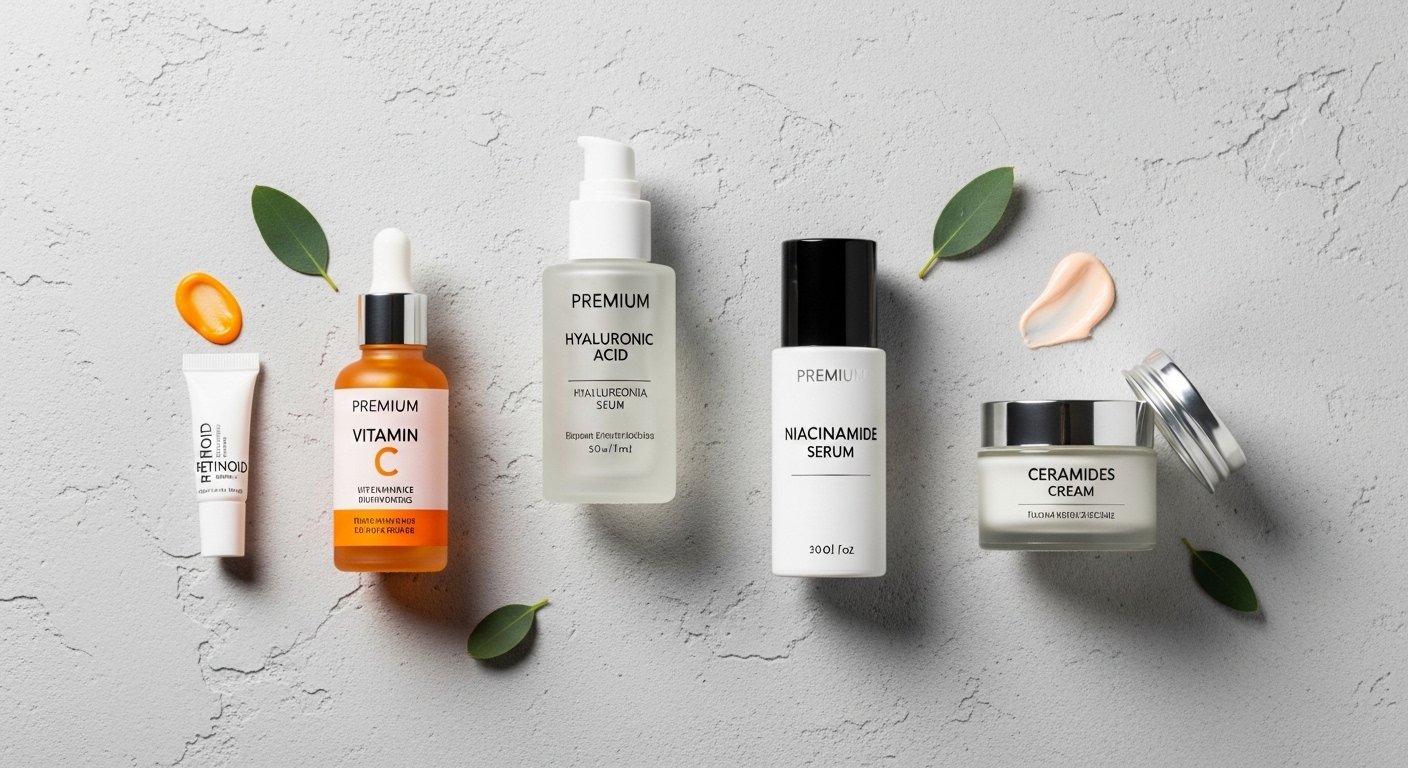
Have you ever scanned a skincare label in the store, felt completely lost among the long lists of unfamiliar names, and wondered why your skin still looks dull or irritated despite your efforts? You are not alone. Countless people deal with acne flare-ups, early signs of aging, or persistent dryness, only to feel frustrated after another disappointing purchase. The truth is, glowing, healthy skin comes down to choosing products with the right actives, not flashy marketing claims. This guide breaks down the top ingredients to look for in skincare products so you can read labels with confidence, match them to your unique skin needs, and finally see real results. Whether you are a beginner building your first routine or an intermediate user tweaking your regimen, these science-backed picks will empower you to shop smarter and nurture your skin barrier for that radiant glow you deserve.
Why Ingredients Matter More Than Brand Names or Packaging
Skincare aisles overflow with promises, but effective results start with understanding what actually works on your skin. Dermatologist-recommended ingredients have clinical studies behind them, showing how they address specific concerns like uneven tone, loss of firmness, or breakouts. Brands may hype trendy scents or pretty jars, yet the real heroes sit in the ingredient list.
Focusing on proven actives helps you avoid trial-and-error waste and irritation. For instance, someone battling dryness might overlook hydration heroes while chasing anti-aging hype. By learning these essentials, you take control. Your skin will thank you with improved texture, fewer concerns, and that natural luminosity everyone notices.
First, Know Your Skin Concerns and Type
Before diving into ingredients, pause and assess your skin honestly. Is it acne-prone and oily? Dry and sensitive? Showing fine lines from sun exposure? Or a mix, like combination with a compromised skin barrier?
Your answers guide everything. Top ingredients to look for in skincare products for acne differ from those for aging skin. Sensitive types need gentle options that repair rather than strip. Start simple: cleanse, treat, moisturize, and protect with sunscreen daily. Once you identify your main issues, the ingredient choices become clear and far less overwhelming.
The Foundation of Glowing Skin: Supporting Your Skin Barrier with Ceramides
Your skin barrier acts like a protective shield, locking in moisture and keeping irritants out. When it weakens from harsh products, stress, or weather, you notice dryness, redness, and sensitivity. Enter ceramides, naturally occurring lipids that make up over half of your skin’s barrier.
Ceramides replenish what your skin loses over time, restoring hydration and resilience. Look for products listing ceramide NP, AP, or EOP for best results. Dermatologists often recommend them for dry or sensitive skin because they calm irritation fast. Pair them with a gentle cleanser, and you will see softer, more even skin within weeks. No wonder they top lists for everyday barrier support in 2026 routines.
Hydration Powerhouse: Hyaluronic Acid for Plump, Dewy Skin
If your skin feels tight or lacks that fresh bounce, hyaluronic acid is your go-to. This molecule holds up to 1,000 times its weight in water, drawing moisture deep into the skin without greasiness.
Hyaluronic acid works for every skin type, including oily or acne-prone, because it hydrates without adding oil. You will find it in serums, creams, and masks. For maximum plumpness, choose formulas with multiple molecular weights, some that sit on the surface and others that penetrate deeper. Beginners love it as an easy first active. It also pairs beautifully with other ingredients, making it ideal for best active ingredients for sensitive skin. Your complexion looks dewy and refreshed, not shiny or flat.
Brightening Boost: Vitamin C for Radiance and Protection
Want that lit-from-within glow? Vitamin C delivers. As a potent antioxidant, it neutralizes free radicals from pollution and UV exposure while fading dark spots and boosting collagen production.
Stable forms like ascorbic acid or derivatives shine in morning routines. Concentrations around 10 to 20 percent offer visible brightening without irritation for most people. Vitamin C suits aging skin particularly well, but even those with dullness from stress see quick improvements. Pro tip: store it in opaque packaging to keep it fresh. Pair it with sunscreen for amplified protection, and watch your skin tone even out beautifully over time.
The Multi-Tasking Marvel: Niacinamide for Even Tone and Calm
Few ingredients do as much as niacinamide (vitamin B3). It strengthens the skin barrier, regulates oil, minimizes pores, calms redness, and brightens all at once. No wonder it earns dermatologist-recommended status across concerns.
Niacinamide shines at 5 percent or higher for noticeable results, yet stays gentle enough for daily use. Beginners and intermediates alike appreciate how it plays well with almost everything. Struggling with post-acne marks? It fades them. Dealing with dryness? It locks in moisture. Add it to your routine and enjoy calmer, more balanced skin without the purge or sensitivity other actives sometimes cause.
Anti-Aging Essentials: Retinoids and Peptides
For firmer, smoother skin over time, turn to retinoids and peptides. Retinoids (including retinol and prescription tretinoin) speed cell turnover, reduce fine lines, and clear pores. They remain a gold standard for top ingredients to look for in skincare products for aging skin.
Start slow with over-the-counter retinol to avoid irritation, applying it at night a few times weekly. Peptides complement them by signaling skin to produce more collagen and elastin. These amino acid chains feel lightweight and suit sensitive types better than strong acids. Together, they deliver youthful bounce without harshness. Patience pays off: consistent use over months reveals firmer contours and fewer wrinkles.
Clearing the Way: Ingredients for Acne and Exfoliation
Breakouts do not have to define your skin. Benzoyl peroxide kills acne-causing bacteria effectively and remains a first-line choice for many. Use it in low concentrations (2.5 to 5 percent) to minimize dryness.
Alpha Hydroxy Acids (AHAs) like glycolic or lactic acid gently exfoliate, unclog pores, and brighten. They work wonders for texture and mild acne but require sunscreen the next day since they increase sun sensitivity. For top ingredients to look for in skincare products for acne, combine these with niacinamide or ceramides to keep skin balanced. Always patch-test and introduce one at a time so your barrier stays strong.
How to Read Skincare Ingredient Labels Like a Pro
Decoding labels feels intimidating until you know the rules. Ingredients list in descending order of concentration, so the first few make up the bulk of the formula. Water or “aqua” often leads the list as a base.
Actives appear lower but still deliver results at small percentages. Scan for your targets, such as hyaluronic acid or ceramides, early enough to matter. Avoid products listing fragrance or alcohol high up if you have sensitive skin. Check for specific names: “retinol” beats vague “vitamin A.” This simple habit turns shopping from guesswork into informed empowerment.
Smart Pairings: What Skincare Ingredients Work Best Together
Not every combo works. Vitamin C loves teaming with vitamin E or niacinamide for extra antioxidant power in the morning. Hyaluronic acid buffers everything, making it perfect alongside stronger actives.
Retinoids pair nicely with niacinamide or peptides at night to reduce irritation while boosting anti-aging effects. Avoid layering high-strength AHAs with benzoyl peroxide or retinoids in the same routine to prevent over-exfoliation. Instead, alternate nights or days. These smart pairings maximize benefits and keep your skin happy.
Best Active Ingredients for Sensitive Skin
Sensitive skin needs love, not harsh treatments. Prioritize niacinamide, ceramides, hyaluronic acid, and gentle peptides. These strengthen without stripping. Skip high-percentage acids or fragranced formulas until your barrier heals.
Introduce new products slowly, one every two weeks, and always moisturize. Many find dermatologist-recommended options labeled “for sensitive skin” contain these soothing stars. Your skin will feel calmer, less reactive, and more resilient.
Natural vs Synthetic Skincare Ingredients: Making Informed Choices
You might wonder whether natural or synthetic wins. The answer? Neither is universally superior. Natural extracts can soothe, yet some irritate sensitive skin or lack stability. Synthetic versions often offer precise, potent forms that resist oxidation better, like lab-made hyaluronic acid or ceramides.
Focus on evidence, not labels. A synthetic retinoid might outperform a natural alternative in clinical tests. Read reviews, check concentrations, and choose what suits your skin and values. Many effective formulas blend both for optimal results.
Building Your Personalized Skincare Routine
Start simple to avoid overwhelm. Morning: gentle cleanser, vitamin C or niacinamide serum, moisturizer with ceramides or hyaluronic acid, and broad-spectrum sunscreen. Evening: cleanser, your chosen active (retinoids or acids a few nights a week), and a rich moisturizer.
Adjust based on concerns. Acne-prone? Add benzoyl peroxide spot treatment. Aging? Layer peptides. Track progress in a journal. Consistency beats perfection. Within weeks, you will notice improved glow, fewer breakouts, and stronger skin overall.
Conclusion
Mastering the top ingredients to look for in skincare products transforms confusion into confidence. From ceramides and hyaluronic acid for barrier health to retinoids, vitamin C, and niacinamide for targeted results, these actives deliver real change when chosen thoughtfully. Remember your skin type, read labels, pair wisely, and introduce slowly.
You deserve skin that feels as good as it looks. Start small this week by auditing one product in your routine and swapping in a proven ingredient. Your future self, with that healthy, glowing complexion, will be grateful.