
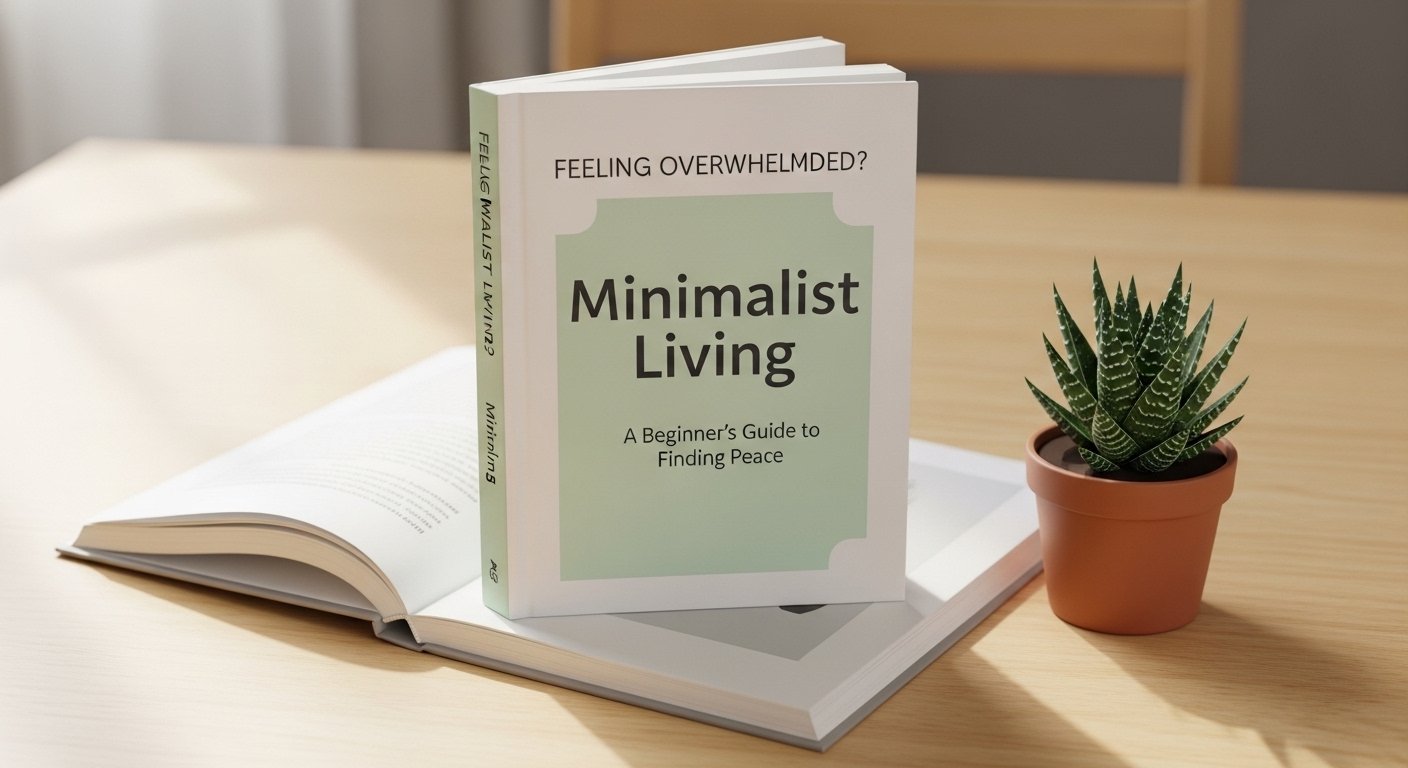
Imagine waking not to a flood of notifications and a room piled high with half-used things, but to clear surfaces and an unhurried mind. That shift, subtle yet profound, lies at the heart of minimalist living. It is not about owning nothing. It is about choosing what deserves space in your life.
In an era shaped by relentless consumerism culture, many creatives, thinkers, and activists report the same quiet exhaustion. Closets overflow. Inboxes never empty. Purchases meant to spark joy instead add to the mental load. Minimalist living offers a different path: one of intentional living that prioritizes mental clarity over accumulation. This guide is written for those ready to begin, not with rigid rules, but with curiosity and compassion.
The Cultural Roots of Overwhelm: Consumerism’s Hidden Costs
Consumerism culture has long promised fulfillment through acquisition. From the post-war boom that equated success with bigger homes and fuller shelves to today’s algorithm-fed shopping feeds, the message remains: more equals better. Yet the cost is steep. Studies link materialistic values to higher anxiety, lower life satisfaction, and strained relationships. Clutter itself can elevate cortisol levels, the body’s stress hormone, making even small decisions feel overwhelming.
At the same time, digital overstimulation compounds the problem. Notifications fragment attention. Endless comparison on social platforms erodes self-worth. The result is a widespread craving for simplicity that transcends borders. Whether in bustling Karachi apartments or Berlin lofts, people are questioning the same equation: why does having more leave us feeling less?
Minimalist living answers by reframing the question. It draws from essentialism, the practice of identifying what truly matters and removing the rest. It aligns with slow living, where pace replaces productivity theater. And it quietly challenges the environmental toll of overconsumption, offering a personal step toward sustainability.
Redefining Enough: The Philosophy of Essentialism and Intentional Living
Minimalism is not new. Its philosophical roots stretch across centuries and continents. Ancient Stoics taught that freedom comes from wanting less. Zen Buddhism emphasized presence over possession. In Japan, the concept of danshari (refuse, dispose, separate from attachment) offers a practical framework for letting go without self-judgment. Even wabi-sabi, the Japanese aesthetic of imperfection and transience, reminds us that beauty lives in restraint rather than perfection.
What feels contemporary is how these ideas now intersect with modern realities. For many, minimalist living has become a form of quiet artivism, a daily refusal to participate in systems that equate worth with spending. It is not deprivation. It is discernment. Essentialism asks: Does this object, habit, or commitment serve my values? The answer often reveals surprising freedom.
Beginning the Declutter: Gentle Methods for Releasing Emotional Attachment to Things
Emotional attachment to things is deeply human. A worn sweater holds memories of a loved one. Bookshelves tell stories of who we once were. Decluttering methods succeed only when they honor these feelings rather than dismiss them.
Start small. Choose one drawer, one shelf, one category. The KonMari approach, though popularized, still holds value: hold each item and ask whether it sparks joy. Yet for many, joy is too binary. A gentler question might be: Does this support the life I want now? If not, thank the object for its service, photograph it if the memory matters, then release it.
Practical decluttering methods for beginners include the “one-in, one-out” rule for new purchases and the 90-day closet test: store questionable items away and only retrieve them if truly missed. Research on sentimental clutter suggests inviting a trusted friend or journaling memories can ease the process. The goal is not a sterile home but a space that feels like an exhale.
Dressing with Intention: Building a Capsule Wardrobe
A capsule wardrobe translates minimalism into daily life without sacrificing style. The idea is simple: a small, versatile collection of high-quality pieces that mix and match across seasons. Think ten to fifteen core garments chosen for color harmony, fabric durability, and personal resonance.
This practice directly counters fast fashion’s environmental damage. By investing in fewer, better-made items, often from sustainable or ethical sources, you reduce waste and textile pollution. All-season pieces in natural fibers become staples: a well-cut linen shirt, a timeless wool coat, versatile trousers. The result is less decision fatigue each morning and more mental clarity for creative work.
Many who adopt a capsule wardrobe report unexpected pleasure in repetition. Style emerges not from novelty but from thoughtful curation.
Clearing Digital Clutter: The Power of a Digital Detox
Minimalist living extends beyond physical objects. Digital detox practices address the invisible clutter of screens that fragments attention and fuels comparison. Research shows intentional breaks from devices can reduce symptoms of anxiety and depression while improving focus and sleep quality.
Begin modestly. Designate screen-free hours, perhaps the first and last hour of the day. Turn off non-essential notifications. Curate your feeds ruthlessly. Some practitioners schedule full digital sabbaths, one day a week spent offline. The space that opens is often filled with deeper reading, longer conversations, or simply rest.
For creatives and thinkers, this reclaimed attention becomes fertile ground. Ideas arrive not in frantic scrolls but in quiet moments of presence.
Living Sustainably: Mindful Consumption and Slow Living Practices
Mindful consumption asks us to consider the full life cycle of what we bring home. Where was it made? Under what conditions? What will become of it when we no longer need it? These questions link personal simplicity to broader sustainability goals.
Slow living complements this by encouraging seasonal rhythms over constant hustle. It might mean cooking from local markets, mending instead of replacing, or growing a few herbs on a windowsill. Communities practicing collective minimalism, from shared tool libraries to neighborhood repair cafes, show that simple living thrives when it is not solitary.
Minimalism Across Cultures: Finding Universal Peace in Simplicity
Minimalist living is not a Western invention exported globally. Many cultures have long practiced forms of intentional restraint born from wisdom or necessity. Scandinavian lagom seeks balance rather than excess. In parts of South Asia and Africa, resourcefulness and community sharing have always shaped daily life. Indigenous traditions worldwide often prioritize harmony with the natural world over individual accumulation.
Recognizing this diversity prevents minimalism from becoming another rigid aesthetic. It can look different in a bustling Pakistani household than in a Tokyo studio apartment, yet the underlying pursuit of peace remains universal. For some, less is a chosen luxury. For others, it has always been a way of life. Both perspectives enrich the conversation.
A Practice, Not a Performance
Minimalist living invites ongoing reflection rather than one-time transformation. Some days you will slip back into old habits. That is part of the process. The reward is not a perfectly curated Instagram feed but a quieter inner landscape where creativity, relationships, and presence can flourish.
In letting go of what no longer serves, many discover they gain far more than they lose: time, energy, mental clarity, and a deeper alignment with their values. In a noisy, overflowing world, that peace feels revolutionary. It is also deeply human.
You May Also Like: How to Stay Motivated Every Day: A Science-Backed Guide to Sustaining Creative Drive