
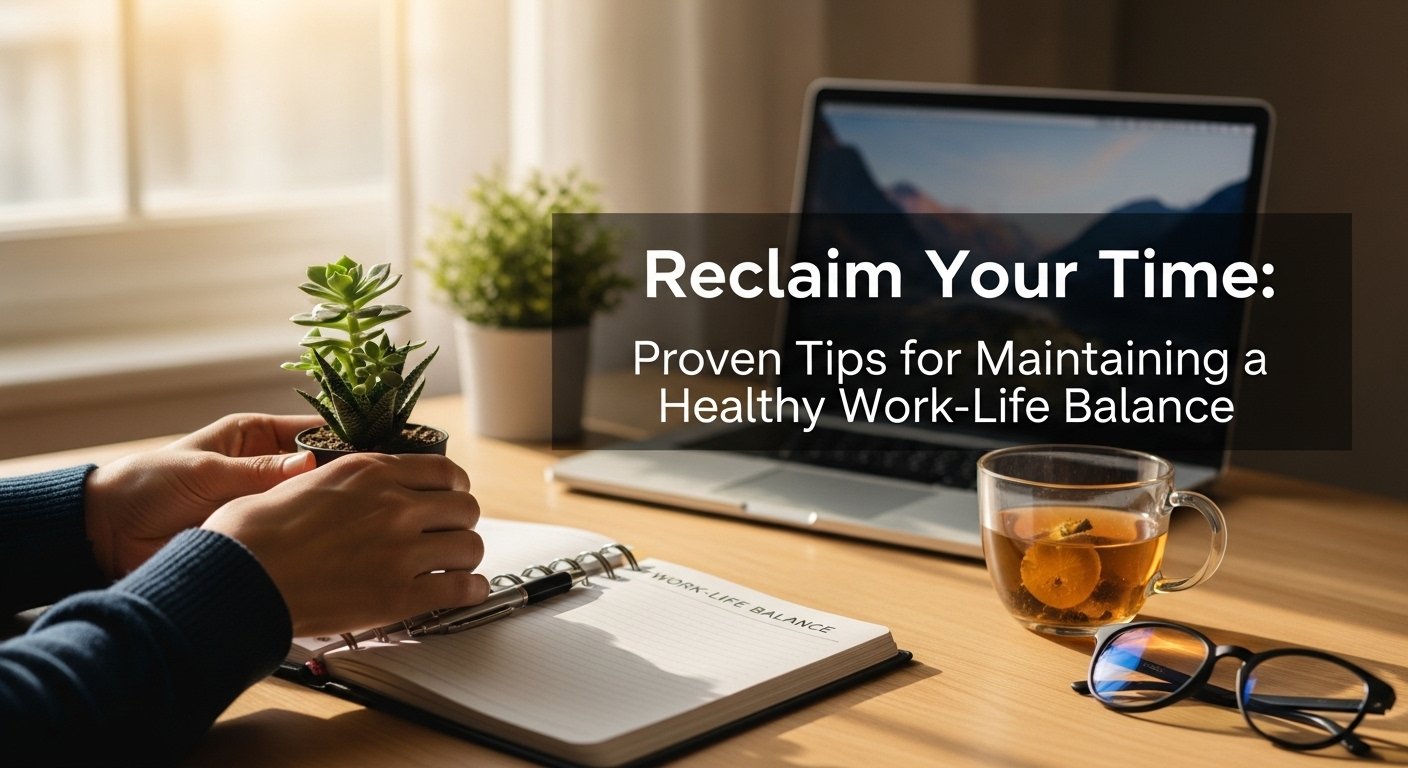
In the quiet hours after a long day, many creatives still find themselves answering one last email or scrolling through project briefs that bleed into personal time. The boundary between making art and making a living has never felt more porous. For thinkers, activists, and cultural workers who once viewed their practice as a form of resistance, the grind now risks turning that resistance inward, against their own well-being. Reclaiming time is not a luxury. It is the precondition for sustained creative and political life.
Recent global data paint a stark picture. Reports from Gallup, Mercer, and others tracking 2025 and early 2026 show that between 66 and 83 percent of employees worldwide report burnout symptoms, with younger generations and knowledge workers hit especially hard. In creative fields, where passion projects blur into paid gigs and social media demands constant visibility, the exhaustion compounds. Mental health wellbeing suffers when rest becomes negotiable. The question is no longer whether we need balance, but how we build it without sacrificing the very urgency that drives artivism and cultural critique.
Why the Balance Conversation Feels Different Now
The pandemic accelerated what was already shifting: remote tools made work omnipresent, while economic pressures rewarded those who never logged off. Hustle culture, once sold as empowerment, revealed its cost in depleted energy and diminished output. For activists organizing across time zones and artists reliant on freelance platforms, the always-on model has become a quiet form of self-erasure.
Yet the conversation is evolving. Where once work-life balance was framed as individual time management, it now intersects with larger cultural shifts around labor rights, technology, and identity. In many societies, time itself has become a site of political struggle. The right to disconnect, flexible working arrangements, and corporate wellness programs are no longer fringe ideas. They are responses to a recognition that sustainable creativity and activism require protected space for reflection, rest, and renewal.
Setting Professional Boundaries as Creative Practice
Boundaries are not walls; they are frames. They give shape to what we can actually sustain. For many in cultural work, saying no feels like career suicide. Yet without them, employee burnout becomes inevitable. The most effective boundary-setters treat limits as part of their artistic discipline.
Start small and specific. Define non-negotiable hours for deep creative work or activism, then communicate them clearly in contracts, emails, and shared calendars. One photographer I spoke with in Berlin blocks every Friday for studio time and refuses client calls after 6 p.m. The result is not lost income but sharper, more original work. Research consistently shows that clear professional boundaries reduce workplace stress management challenges and protect mental health wellbeing.
The cultural dimension matters. In collectivist societies across South Asia and Latin America, where community obligations often extend into professional life, boundaries can feel like a betrayal. Reframing them as necessary for long-term contribution helps. Setting limits is not withdrawal. It is strategic presence.
Flexible Working Arrangements That Honor Real Lives
Rigid nine-to-five schedules were never designed for the irregular rhythms of creative or activist labor. Flexible working arrangements have emerged as one of the most tangible improvements in recent years. When organizations allow asynchronous collaboration or results-focused deliverables, productivity often rises while resentment falls.
Consider the model gaining traction in parts of Europe and Australia. Employees negotiate core collaboration hours while protecting large blocks for focused work or personal recharge. For freelancers and cultural producers, this might mean designing a week around studio time in the morning and administrative tasks in the late afternoon. The key is intentionality. Flexibility without structure quickly becomes more work.
Progressive employers are learning that supporting these arrangements is not charity. It is smart retention. In creative industries, where talent is mobile and loyalty is earned, workplaces that respect personal rhythms retain their most innovative voices.
Digital Detox as Resistance to Fragmentation
Our devices promised connection. They delivered fragmentation. Constant notifications fracture attention, the very currency of creative and activist work. A digital detox need not be extreme. Even short, deliberate breaks from work-related communication yield measurable gains.
Recent studies on social media and work email breaks show significant drops in depressive symptoms, anxiety, and insomnia after just one week of reduced screen time. For cultural workers, the benefit runs deeper. Uninterrupted time allows ideas to incubate, the slow fermentation essential to original thought. One activist collective in Cape Town instituted a weekly no-email Sunday and reported sharper strategy sessions and renewed energy for street-level organizing.
Practical steps are straightforward. Turn off work notifications after hours. Use app limits or focus modes. Replace doom-scrolling with analog rituals: sketching, walking, or conversation. The goal is not purity but sovereignty over your attention. In an economy that monetizes distraction, choosing presence becomes a quiet act of defiance.
Physical Activity at Work and the Body as Creative Instrument
The mind and body are not separate. Prolonged sitting and screen time erode both physical health and imaginative range. Simple physical activity at work changes the equation. Standing desks, short movement breaks, or walking meetings are not wellness fads. They are practical tools for sustaining output over decades.
Cultural workers often romanticize the tortured, sedentary artist. Contemporary evidence suggests otherwise. Regular movement improves mood, sharpens focus, and reduces the physiological markers of stress. In Japan, where overwork has long carried the label karoshi, some forward-thinking firms now integrate micro-exercise into the workday. Similar experiments in Scandinavian creative agencies pair standing desks with mandatory outdoor breaks.
The invitation is personal and political. When we move our bodies, we reject the disembodied ideal of the always-available worker. We remember that art and activism happen through lived, breathing people.
Time Management Techniques Rooted in Values
Traditional productivity advice often treats time as a resource to squeeze. A more humane approach aligns techniques with deeper values. The Pomodoro method, for instance, works well when paired with intentional breaks that actually restore rather than distract. Batch-checking email rather than constant monitoring frees mental space for substantive work.
For creatives, time blocking around energy levels proves more effective than rigid to-do lists. Protect your peak creative hours for the work that matters most. Use the rest for logistics. Tools matter less than the philosophy behind them. Effective time management techniques honor natural rhythms instead of fighting them.
Corporate Wellness Programs Beyond the Brochure
Many organizations now offer corporate wellness programs, from mindfulness apps to subsidized therapy. Their effectiveness varies. The best ones move beyond token gestures to structural change: generous mental health days, clear policies on after-hours communication, and leadership that models balance rather than performative busyness.
Skepticism is healthy. When wellness initiatives ignore systemic issues like understaffing or unrealistic deadlines, they become another source of stress. Genuine programs treat mental health wellbeing as inseparable from workplace culture. They invest in training managers to recognize burnout signals and support flexible working arrangements without penalty.
The Right to Disconnect as Global Standard
Some of the most promising developments come from policy. France pioneered the right to disconnect in 2017. Belgium, Australia, and others have followed with laws protecting employees from work-related communication outside agreed hours. In India, recent legislative discussions signal growing momentum in the Global South. Germany relies on strong company norms rather than statute, yet achieves similar cultural results.
These policies recognize a fundamental truth: constant availability is not sustainable. For cultural workers operating internationally, knowing your rights across jurisdictions becomes part of professional literacy. Even without formal law, individuals can negotiate personal versions of the right to disconnect in contracts and client agreements.
Reclaiming Time as Cultural Work
The tips themselves are simple. Their implementation demands courage and cultural pushback. In a world that equates busyness with virtue, choosing balance can feel radical. Yet the most compelling artists, thinkers, and activists of our time have always protected their inner lives. They understand that real impact requires depth, and depth requires time.
Reclaiming your time is ultimately an act of self-respect that ripples outward. When creatives model sustainable practice, they challenge the industries that profit from exhaustion. When activists insist on rest, they sustain movements that span generations. The work does not stop. It simply becomes possible to continue it with clarity, joy, and staying power.
The invitation is not to slow down for its own sake, but to move at a pace that allows genuine contribution. In the end, the culture we build will reflect the lives we choose to live. Protecting time for thought, connection, and rest may be the most radical creative act available to us right now.
You May Also Like: 15 Simple Habits That Can Improve Your Life Instantly: Micro-Habits for Intentional Living