
Have you ever slathered on a moisturizer only to deal with breakouts the next day, or watched your skin flake despite your best efforts? If your shelf is full of half-used jars that just did not work, you are not alone. Many people struggle to find a product that actually matches their skin needs in a market flooded with options. The good news? Choosing the best moisturizers for different skin types does not have to feel like guesswork. This derm-approved guide walks you through identifying your skin type and selecting formulas that deliver real results. Whether you battle dryness, excess oil, or sensitivity, you will discover practical picks, key ingredients to seek, and simple tips to strengthen your skin barrier for healthier, happier skin.
Understanding Your Skin Type: Why It Matters
Before you grab any jar, get to know your skin. Skin type is not just about oil or dryness. It is your baseline biology, influenced by genetics, hormones, environment, and even the products you already use.
The easiest way to identify it? Do the bare-face test. Cleanse your skin gently with a mild, non-foaming cleanser. Pat dry and wait 30 to 60 minutes without applying anything. Now observe:
- Dry skin feels tight, rough, or flaky all over, with no shine.
- Oily skin shows grease, especially in the T-zone (forehead, nose, chin), often with enlarged pores or breakouts.
- Combination skin has an oily T-zone but dry or normal cheeks.
- Sensitive skin reacts with redness, itching, or stinging to many products (it can overlap with any of the above).
- Normal skin feels balanced, neither tight nor greasy.
If your skin changes with seasons or stress, you likely have combination or sensitive tendencies. Once you know your type, you can target formulas that address transepidermal water loss (TEWL), the invisible evaporation of moisture that weakens your barrier and leads to irritation or dullness.
The Science of Moisturizers: Hydration Versus Moisture Explained
People often mix up hydration and moisture, but they play different roles. Hydration refers to water content in your skin, pulled in by humectants like hyaluronic acid and glycerin. Moisture comes from oils and lipids that soften and protect.
A great moisturizer combines three hero categories:
- Humectants draw water from the air or deeper skin layers (think hyaluronic acid, which can hold 1,000 times its weight in water).
- Emollients fill gaps in the skin barrier, smoothing roughness. Ceramides are superstar emollients. They are natural lipids that hold skin cells together like mortar between bricks.
- Occlusives form a protective seal to lock everything in and reduce TEWL. Petrolatum or dimethicone do this gently without greasiness when chosen right.
Dermatologically tested formulas with these ingredients repair the skin barrier, calm inflammation, and prevent future issues. Look for non-comedogenic labels if you are prone to clogged pores. Avoid heavy fragrances or alcohol if your skin is sensitive.
Best Moisturizers for Dry Skin: Rich, Barrier-Repairing Creams
Dry skin lacks natural oils and lipids, so it craves thick, nourishing textures that replenish and seal. Prioritize creams packed with ceramides, hyaluronic acid, and occlusives.
Top derm-recommended pick: CeraVe Moisturizing Cream. Developed with dermatologists, it delivers three essential ceramides, hyaluronic acid, and glycerin in a non-greasy yet deeply hydrating base. Users report softer, plumper skin within days, and it is budget-friendly at around $15 to $20 for a generous tub. Perfect for face and body.
Another standout: La Roche-Posay Toleriane Double Repair Face Moisturizer. This lightweight-yet-rich cream restores the barrier with prebiotic thermal water and ceramides while niacinamide soothes redness. Ideal for very dry or eczema-prone skin.
For winter or extra dryness, layer a thin occlusive like petroleum jelly at night. These choices cut TEWL dramatically, so your skin stays comfortable all day.
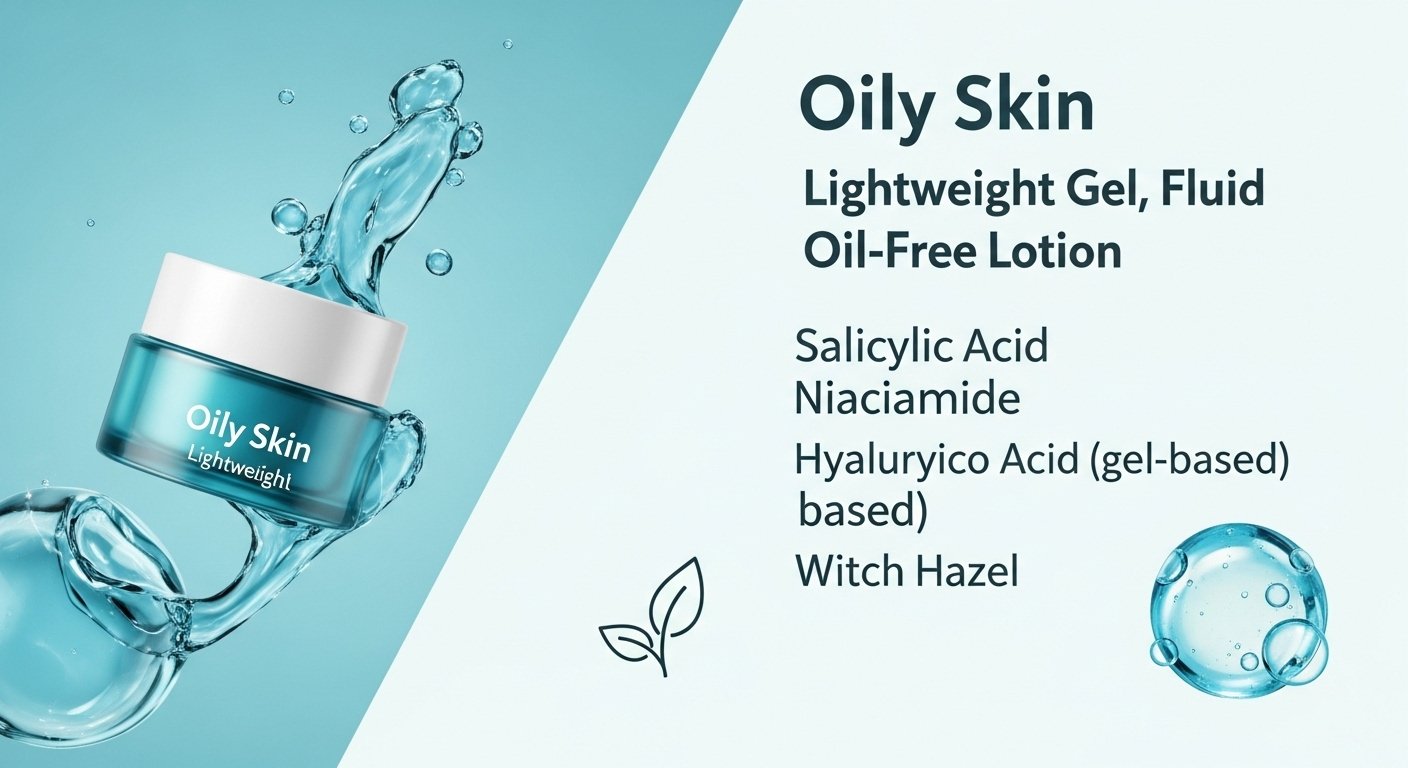
Best Moisturizers for Oily Skin: Lightweight, Mattifying Gels
Oily skin still needs hydration. Skipping moisturizer can trigger more oil production as your skin tries to compensate. The key? Non-comedogenic, oil-free gels that absorb fast without shine.
Neutrogena Hydro Boost Hyaluronic Acid Gel Cream Fragrance Free tops lists for good reason. Its bouncy gel texture delivers hyaluronic acid and glycerin in a water-based formula that feels refreshing on oily complexions. It plumps without weight and layers beautifully under makeup.
CeraVe Oil Control Moisturizing Gel-Cream is another derm favorite. It blends ceramides, niacinamide, and oil-absorbing powders to control shine while repairing the barrier. Lightweight and affordable, it suits acne-prone oily skin perfectly.
Apply a pea-size amount after serums. Your skin will feel balanced, not stripped.
Best Moisturizers for Combination Skin: Balanced Formulas for the T-Zone Struggle
Combination skin is the most common. Oily in the center but dry on the cheeks? You need something that hydrates dry patches without feeding the shine.
Neutrogena Hydro Boost Hyaluronic Acid Gel Cream shines here too. Its gel-cream hybrid quenches cheeks while keeping the T-zone matte. Many with combination skin call it their holy grail for year-round use.
La Roche-Posay Toleriane Double Repair Matte Face Moisturizer offers a smart alternative. It mattifies oilier areas with silica yet nourishes drier zones with ceramides and thermal water. Dermatologists love its lightweight feel and barrier support.
These options prevent that midday oil slick while stopping flakiness. Test on your T-zone first.
Best Moisturizers for Sensitive Skin: Gentle, Soothing Options
Sensitive skin flares easily, so choose fragrance-free, minimal-ingredient formulas that are dermatologically tested and often recommended for reactive types.
Vanicream Daily Facial Moisturizer earns raves from dermatologists and sensitive-skin users alike. Free of common irritants like dyes, fragrances, and lanolin, it provides gentle hydration with ceramides and squalane. It is ideal for those with allergies or rosacea.
La Roche-Posay Toleriane Double Repair Face Moisturizer (the original, not matte) calms redness fast with prebiotics and ceramides. Both are non-comedogenic and work for sensitive skin across other types.
Start slow. Patch-test new products on your jawline for two days.
Choosing the Best Moisturizers for Different Skin Types in Winter
Cold air and indoor heat crank up TEWL, leaving every skin type drier. Switch to richer creams for dry and sensitive skin, like CeraVe Moisturizing Cream layered over a hyaluronic acid serum. For oily or combination skin, stick with lightweight gels but add an extra layer at night or use a balm on dry patches only.
Look for occlusive-heavy formulas in winter. They create a shield against harsh winds while locking in hydration.
Lightweight Best Moisturizers for Different Skin Types
Prefer something that disappears instantly? Gel creams and lotions win. Neutrogena Hydro Boost and CeraVe Oil Control feel like water on skin yet deliver lasting moisture. They suit oily, combination, and even sensitive skin in humid months or under makeup.
Affordable Best Moisturizers for Different Skin Types
You do not need luxury prices for results. Drugstore heroes like CeraVe, Neutrogena, and Vanicream deliver clinical-grade ingredients for under $25. They are dermatologically tested and often outperform pricier options in barrier repair.
Best Moisturizers for Different Skin Types with SPF
Morning routines simplify with a moisturizer that includes broad-spectrum SPF 30 or higher. CeraVe AM Facial Moisturizing Lotion with SPF 30 pairs ceramides and hyaluronic acid with lightweight protection. It works for dry, normal, and combination skin without white cast. For oily skin, try mattifying SPF versions from La Roche-Posay or Neutrogena.
Always apply SPF separately if your moisturizer lacks it. Reapply every two hours outdoors.
How to Apply Moisturizer for Best Results
Less is more. After cleansing and serums, warm a pea-size amount between your fingers. Press gently onto damp skin (water helps humectants work better). Use upward motions on the face and neck. Wait one minute before makeup. Nighttime? Apply a slightly thicker layer to let repair happen while you sleep.
Common Mistakes to Avoid When Choosing Moisturizers
Do not pick based on packaging alone. Heavy creams on oily skin clog pores. Lightweight gels on dry skin leave it thirsty. Ignoring ingredients leads to irritation. Over-applying wastes product and can feel sticky. Always check for non-comedogenic and ceramides if your barrier feels compromised.
Your Path to Healthier Skin Starts Today
Finding the best moisturizers for different skin types transforms your routine from frustrating to effortless. By matching formulas to your unique needs, using humectants, emollients, and occlusives wisely, and supporting your skin barrier, you reduce TEWL, calm sensitivity, and glow naturally. Start simple: identify your type tonight, pick one affordable derm-approved option like CeraVe or Neutrogena, and give it two weeks. Your skin will thank you with balance, comfort, and radiance. You have got this. One smart choice at a time, your healthiest complexion is within reach.
You May Also Like: The Ultimate Guide: How to Prevent Acne and Breakouts for Clearer Skin