
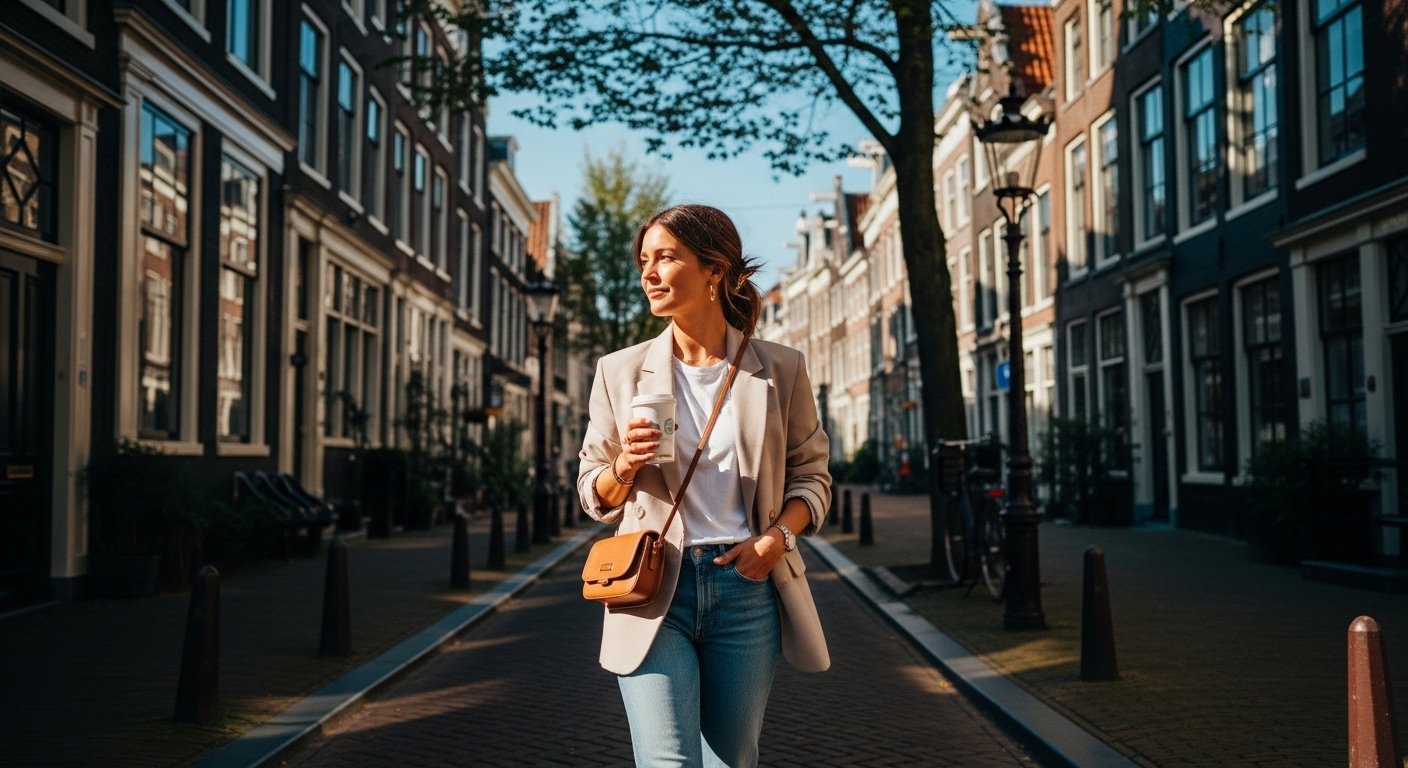
Picture yourself grabbing your keys on a crisp spring morning. You slip on one piece that instantly sharpens your whole look, whether you’re heading into a client meeting or meeting friends for coffee. That piece? Your blazertje. It is the lighter, more flexible cousin of the classic blazer that so many of us are reaching for these days. If you have ever wondered how to make smart-casual dressing feel effortless, this guide walks you through everything you need to know about picking the right one.
What Exactly Is a Blazertje (and How It Differs from a Traditional Blazer)
A blazertje is the Dutch take on the tailored jacket, and the name says it all. In Dutch, the “tje” ending turns “blazer” into something smaller, softer, and way more approachable, like “little blazer.” Unlike the stiff, structured blazer you might picture from office suits or nautical uniforms, a blazertje feels relaxed yet polished. It offers soft tailoring that skims your shape instead of boxing it in.
The biggest difference between a blazer and blazertje comes down to construction and attitude. Traditional blazers lean structured with heavy shoulder pads and a formal vibe that screams “power meeting.” A blazertje keeps things lighter and more feminine. It often features a relaxed silhouette, breathable fabrics, and just enough tailoring to look intentional without restricting movement. Think of it as transitional outerwear that bridges seasons and occasions, perfect for building a capsule wardrobe that actually works in real life.
Why a Blazertje Deserves a Spot in Your Wardrobe Foundation
Modern fashion enthusiasts love the blazertje because it delivers sartorial elegance without the fuss. It elevates jeans in seconds, layers beautifully over dresses, and transitions from day to evening with zero effort. For professional women in the 25 to 55 age range, it hits that sweet spot of business casual inspiration. You get polish without looking stuffy.
It also shines as a layering essential. Throw it over a silk camisole and wide-leg trousers for the office, or pair it with a simple tee and sneakers for weekend errands. The soft tailoring creates a feminine silhouette that flatters most body types, and its versatility makes it a true wardrobe foundation piece.
Choosing the Best Fabrics for a Structured Yet Comfortable Blazertje
Fabric choice can make or break how your blazertje performs day to day. You want something with enough structure to hold its shape but enough give to feel comfortable from morning coffee to after-work drinks.
Lightweight wool blends work beautifully for year-round wear because they offer natural drape and breathability. For spring and summer, linen or cotton blazertjes feel airy and fresh. These options create that lightweight blazertje for spring you have been searching for. Jersey or soft crepe gives a cozy, slightly oversized look that still looks pulled together.
Avoid anything too stiff or shiny if you want that smart-casual aesthetic. Sustainable options like organic cotton or recycled blends are gaining traction in Dutch fashion trends and feel just as good as they look. When shopping, rub the fabric between your fingers. It should feel smooth but not slippery, with a bit of natural weight that won’t wrinkle into a mess by lunchtime.
How to Find the Perfect Fit: Shoulders, Length, and Movement
Fit matters more than any trend. A great blazertje skims your shoulders without pulling or gaping. The seam should sit right at the edge of your shoulder, not halfway down your arm. Sleeves hit at the wrist bone or just above for that clean, modern line.
Length is personal but generally lands at the top of your hips or mid-thigh for versatility. Too short and it feels cropped in the wrong way. Too long and it starts looking like a regular jacket instead of the blazertje magic. Try it on and move. Raise your arms, sit down, and reach for something on a high shelf. If it rides up or feels restrictive, keep looking.
For women over 50, consider a slightly longer or more relaxed cut that flatters without clinging. Soft tailoring in the waist area creates a gentle feminine silhouette without feeling dated. Many find that a single-button or open-front style offers the most forgiving and flattering option.
Spotting Quality: What to Look For Before You Buy
Quality shows up in the details. Check the seams first. They should be straight, even, and reinforced at stress points. Buttons matter too. Look for sturdy ones that sit flush and feel substantial. Lining should be smooth and ideally made from a breathable fabric so the jacket does not stick when you layer.
Pay attention to the lapels and collar. They should lie flat without curling. A well-made blazertje holds its shape after multiple wears, which is why investing a bit more upfront saves you from replacing it every season. If you are building a capsule wardrobe, choose neutral tones like navy, soft grey, or warm beige. They pair with everything and never go out of style.
Blazertje Outfit Ideas for Work, Weekends, and Everything In Between
Styling a blazertje is where the fun really begins. Here are some go-to combinations that feel fresh and practical:
- For the office: Layer a tailored blazertje over a crisp white shirt and tailored trousers. Add loafers or low block heels for instant polish. This look nails business casual inspiration while staying comfortable all day.
- How to style a blazertje with jeans: Tuck a basic tee into straight or wide-leg jeans, then throw on your blazertje. Roll the sleeves for a relaxed vibe. Finish with sneakers or ankle boots. It is the ultimate smart-casual aesthetic that works for casual Fridays or brunch dates.
- Lightweight blazertje for spring: Choose a linen or cotton version in a soft pastel or neutral. Pair it with a flowy midi dress and sandals. The result feels effortless and feminine.
- Blazertje styling for women over 50: Opt for a slightly oversized cut in a rich neutral. Wear it over a turtleneck and straight-leg pants with comfortable flats. The soft tailoring adds structure without feeling restrictive.
These ideas prove the blazertje works as everyday outerwear that adapts to your life, not the other way around.
Dutch Fashion Trends That Make the Blazertje So Timeless
Dutch fashion has always favored practicality mixed with quiet style, and the blazertje fits right in. You will see it everywhere in Amsterdam streets: paired with jeans and sneakers for that cool, lived-in look. The trend leans toward soft tailoring and versatile pieces that layer easily through changeable weather. It is all about looking put-together without trying too hard, which is exactly why this little jacket feels so modern.
3 Things to Try Tomorrow
- Pull out your favorite pair of jeans and test how a blazertje instantly elevates the outfit.
- Check your closet for fabrics that match the season. If nothing feels right, add a lightweight linen version to your shopping list.
- Try the blazertje over something unexpected, like a hoodie or silk camisole, to discover new layering possibilities.
Your perfect blazertje is out there waiting to become your new go-to piece. What is your favorite way to style one so far? Drop a comment below. I would love to hear how you make it work for your everyday life.
FAQs
What is the difference between a blazer and a blazertje?
A traditional blazer is more structured and formal, while a blazertje is lighter, softer, and designed for everyday versatility. The blazertje feels more relaxed and approachable.
What are the best fabrics for a structured blazertje?
Lightweight wool blends, linen, cotton, and soft crepe offer the ideal balance of structure and comfort. Choose based on the season: breathable linen or cotton for spring and summer, warmer wool for cooler months.
How do you style a blazertje with jeans?
Pair it with straight or wide-leg jeans, a simple tee or blouse, and your favorite shoes. Roll the sleeves for a casual touch that still looks polished.
Is a blazertje good for women over 50?
Absolutely. Look for soft tailoring and a slightly relaxed fit that flatters without clinging. Neutral colors and comfortable fabrics make it a timeless wardrobe staple.
Can a blazertje work as transitional outerwear?
Yes. Its lightweight construction makes it perfect for layering through changing seasons, from early spring to mild autumn days.
How do I know if a blazertje is good quality?
Check for even seams, sturdy buttons, smooth lining, and fabric that drapes nicely without wrinkling too easily. It should feel substantial but never stiff.
Where does the term blazertje come from?
It is Dutch for “little blazer.” The diminutive ending makes the name feel friendly and less formal than a classic blazer.
 Rex Shop